Śītalī · Śītkārī · Sadanta: what is it?
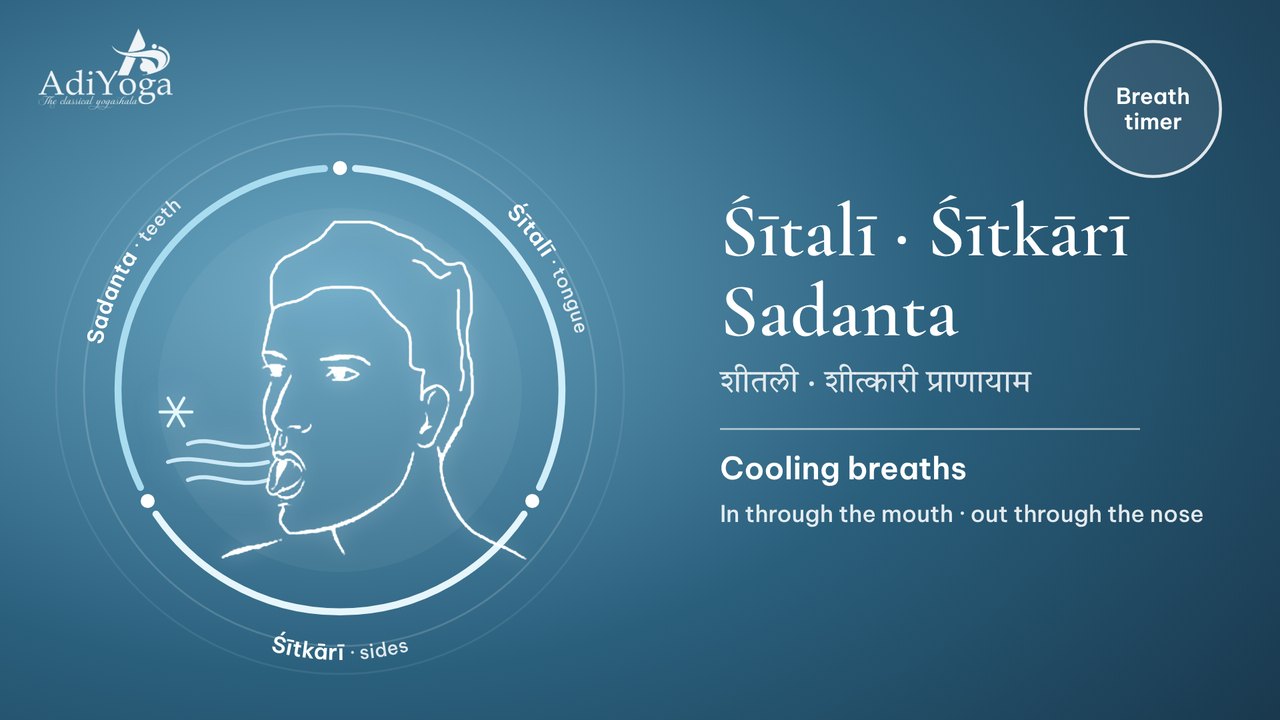
Three cooling prāṇāyāma. In all of them we breathe in through the mouth, so the air passes over the tongue or the teeth, then close the mouth and breathe out slowly through the nose. Śītalī: the tongue rolled into a tube. Śītkārī: the teeth lightly together and the tongue folded back to the palate, breathing in through both sides of the mouth with a soft hiss. Sadanta: the teeth together and the tongue pressed behind them, breathing in through the teeth in the middle. The Haṭha Yoga Pradīpikā (2.54–58) teaches Śītkārī and Śītalī to cool the body and calm hunger, thirst and excess heat. As the air passes the moist tongue and teeth, a little moisture evaporates and takes heat away; the slow breath and long exhale through the nose calm the nervous system. Small studies have found lower blood pressure, heart rate and stress after regular practice.
Meaning
- Śītalī: cooling, the one that cools
- Śītkārī: the one that makes the 'sīt' sound, the hiss of the breath
- Sadanta: with the teeth (sa + danta)
Benefits
- Cools the body on hot days and after strong practice
- Calms anger, irritation and restlessness
- Slows the heart and the breath; studies suggest lower blood pressure with regular practice
- Refreshes the mouth and throat; eases thirst
- Settles the mind before meditation or sleep
How to practise
- Sit upright; inhale slowly through the mouth, close the mouth, exhale slowly through the nose
- Cannot roll the tongue? Choose Śītkārī or Sadanta. Sensitive teeth or gums? Choose Śītalī
- Practise in clean air, never in dust, smoke or cold wind; best in warm weather
- Avoid with low blood pressure, asthma, a cold, cough or sore throat, or chronic constipation
High blood pressure, heart conditions, pregnancy: ask your teacher first, and never strain in the hold
Practise every day with the Adiyogashala app
- ✓ A breath timer with a guiding voice
- ✓ 3 levels that grow with you
- ✓ Keeps playing with the screen locked
- ✓ Opens on your phone, no app store needed
Frequently asked questions
What is Śītalī · Śītkārī · Sadanta?
Three cooling prāṇāyāma. In all of them we breathe in through the mouth, so the air passes over the tongue or the teeth, then close the mouth and breathe out slowly through the nose. Śītalī: the tongue rolled into a tube. Śītkārī: the teeth lightly together and the tongue folded back to the palate, breathing in through both sides of the mouth with a soft hiss. Sadanta: the teeth together and the tongue pressed behind them, breathing in through the teeth in the middle. The Haṭha Yoga Pradīpikā (2.54–58) teaches Śītkārī and Śītalī to cool the body and calm hunger, thirst and excess heat. As the air passes the moist tongue and teeth, a little moisture evaporates and takes heat away; the slow breath and long exhale through the nose calm the nervous system. Small studies have found lower blood pressure, heart rate and stress after regular practice.
What are the benefits of Śītalī · Śītkārī · Sadanta?
Cools the body on hot days and after strong practice; Calms anger, irritation and restlessness; Slows the heart and the breath; studies suggest lower blood pressure with regular practice; Refreshes the mouth and throat; eases thirst; Settles the mind before meditation or sleep.
Who should not practise Śītalī · Śītkārī · Sadanta?
High blood pressure, heart conditions, pregnancy: ask your teacher first, and never strain in the hold
Is there a timer app for Śītalī · Śītkārī · Sadanta?
Yes. The Adiyogashala app has a voice-guided breath timer with 3 levels, free. Open adiyogashala.org on your phone; no app store needed.
More breathing exercises
 Natural Breathing · Sahaja PrāṇāyāmaSimple breathing: easy, natural, relaxing
 Ujjāyī Breathing · the ocean breathThe ocean breath: deep, slow, warming
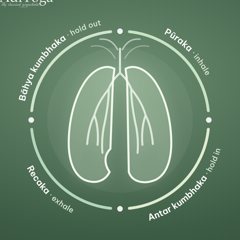 Box Breathing · Sama Vṛtti PrāṇāyāmaEqual breathing: calm, steady, balanced
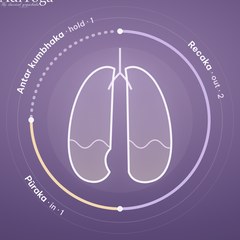 Ratio Breathing · Viṣama Vṛtti PrāṇāyāmaUneven breathing: a longer exhale for deep calm
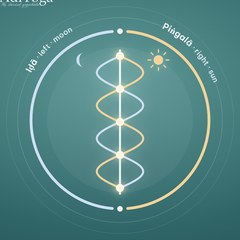 Alternate Nostril Breathing · Nāḍī ŚodhanaAlternate nostril breathing: balance and purify
 Moon Breath · Chandra BhedanaMoon breath: inhale left, exhale right · cooling, calming
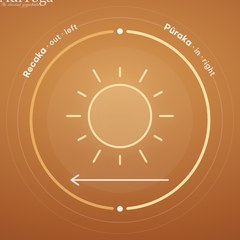 Sun Breath · Sūrya BhedanaSun breath: inhale right, exhale left · warming, energising
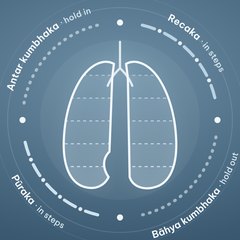 Interrupted Breathing · Viloma PrāṇāyāmaInterrupted breath: breathing in steps, with conscious pauses
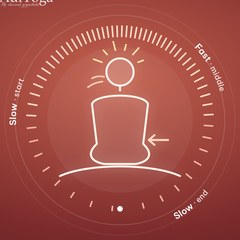 Kapālabhāti · the skull-shining breathShining-skull breath: short, strong exhales that cleanse and energise
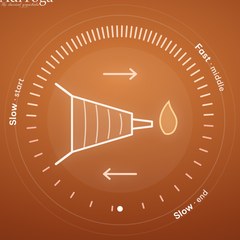 Bellows Breath · Bhastrikā PrāṇāyāmaBellows breath: strong, equal inhales and exhales that build heat and energy
Adiyogashala is a school of classical Hatha Yoga, founded in Hanoi in 2016 and based in Mysore, India and Hanoi, Vietnam. Its founder Girish began practising at the age of eight in Mysore, has 26 years of practice and an MSc in Yoga.
Educational guidance; with a medical condition, ask your doctor before you practise.